
Guiding Pilgrims with Confidence
Camino de Santiago
Routes range from short, gentle coastal walks to long, demanding cross‑country journeys.
Daily distances can be tailored, from relaxed stages to more challenging walks.
Terrain shifts between flat farmland, rolling hills, rugged mountains, and urban sections.
Each Camino offers a different balance of pace, effort, and experience to suit every traveller.
Your Camino, Your Way
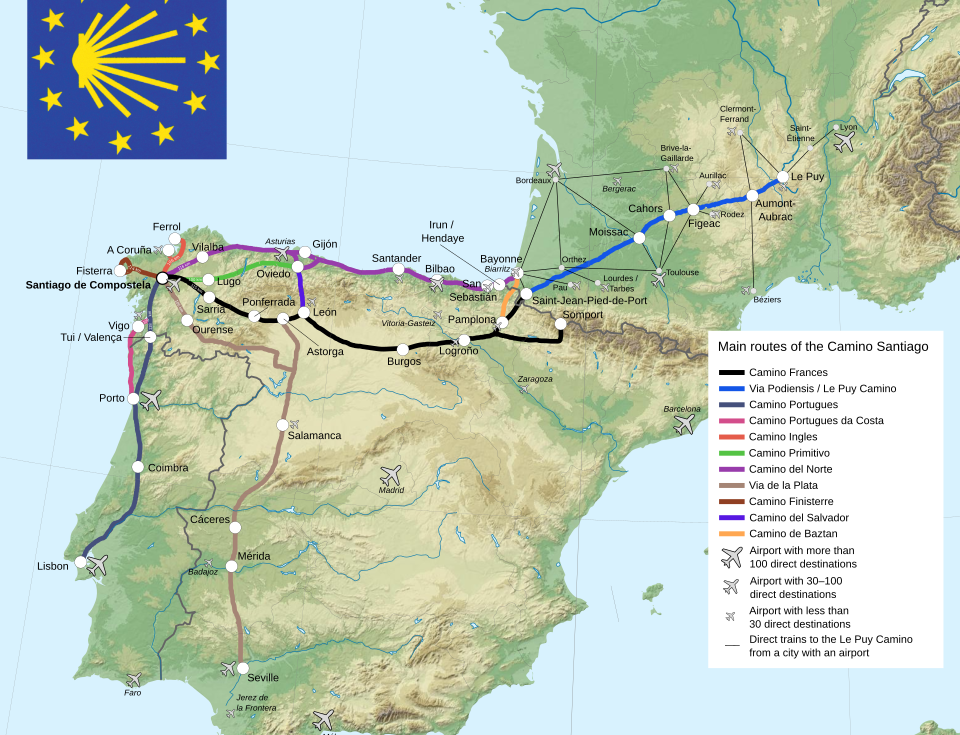
The Camino network is anchored by seven principal routes across Spain and Portugal, each shaped by its own geography, culture, and rhythm of walking. Around them, more than a dozen recognised alternatives and variants weave through mountains, coastlines, river valleys, and historic towns, offering pilgrims every kind of experience — short or long, gentle or demanding, quiet or sociable.
Together they form a flexible system where no single path is the “correct” one; instead, pilgrims can begin from any country or region, joining the network wherever their journey naturally starts. Whether stepping out from a major city, a rural village, or a distant European border, every route ultimately converges toward Santiago, carrying the same spirit of movement, reflection, and shared tradition.
Frances
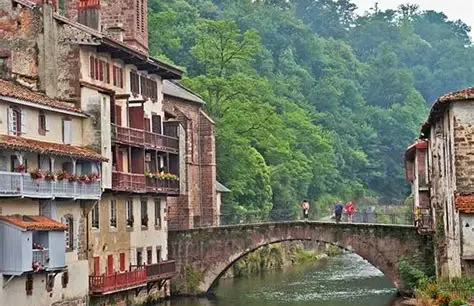
The Camino Francés spans roughly 30–35 days from Saint‑Jean‑Pied‑de‑Port to Santiago.
Its terrain mixes mountains, farmland, villages, and iconic Camino landmarks across northern Spain.
Many pilgrims choose Sarria for the final 5–6 days, completing the last 100km for the Compostela.
It remains the most social, well‑supported route, balancing challenge with comfort all the way.
Ingles
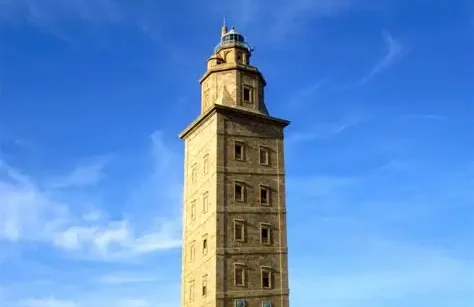
The Camino Inglés offers two starting points: Ferrol for roughly 5–6 days (118km) and A Coruña for 3–4 days (75km).
It’s a compact, scenic route with strong maritime heritage and a clear path to Santiago.
Thanks to work by the Confraternity of St James, you can pair a 25km+ UK pilgrimage with the A Coruña route to meet the 100km requirement, keeping the journey achievable while preserving the tradition of the Compostela.
Portuguese
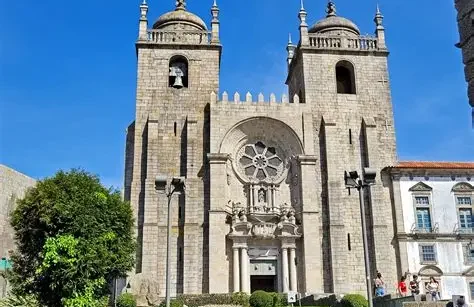
The Portuguese Camino offers three main approaches: starting in Lisbon for a longer 25-35 day journey, beginning in Porto for a popular 10-14 day walk.
Or taking the Porto Coastal Route for a gentler 8–11 day pilgrimage with sea views and quieter stages.
Each option follows well‑marked paths through welcoming towns and varied landscapes, giving pilgrims a flexible and accessible route north to Santiago.
Norte
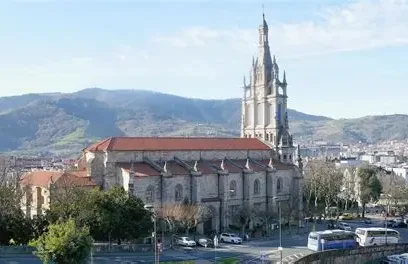
The Camino del Norte follows Spain’s northern coastline, offering one of the most scenic and varied Caminos with a mix of rugged cliffs, beaches, forests, and lively Basque and Cantabrian towns.
It typically takes around 30–35 days, making it a longer but rewarding alternative to the Francés.
The route is known for quieter paths, cooler weather, and a more physical profile, with regular climbs and descents along the coast. Its blend of culture, landscapes, and solitude gives pilgrims a striking and memorable journey to Santiago.
Finisterre
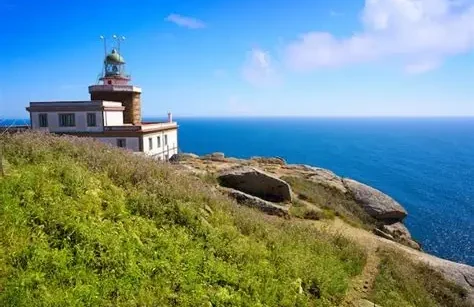
The Finisterre and Muxía route extends the pilgrimage beyond Santiago, offering a 3–5 day walk to the Atlantic coast.
Pilgrims can follow the traditional path to Finisterre, continue on to Muxía, or walk the loop in either direction for a fuller coastal experience.
The journey blends quiet rural stretches, fishing villages, ocean views, and the symbolic arrival at the “end of the world.”
It’s a reflective extension of the Camino, giving walkers space to close their pilgrimage beside the sea.
Invierno
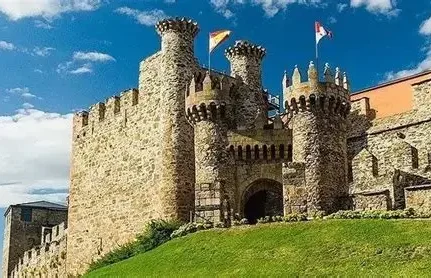
The Camino de Invierno offers a quieter, more remote alternative to the Francés, running through the Sil Valley and the Ribeira Sacra wine region.
It typically takes around 8–10 days, with rolling hills, river paths, and fewer crowds, making it ideal for walkers seeking solitude and scenery. Originally used as a winter diversion to avoid the snowy heights of O Cebreiro, it remains a well‑marked, culturally rich route.
Its blend of landscapes, villages, and calm stages gives pilgrims a peaceful and distinctive path to Santiago.